Serving Connecticut homeowners
Fully licensed and insured team
Clear price before work begins
Fast scheduling across CT
Trusted by Connecticut homeowners
A cracked or wrong-size liner lets heat and carbon monoxide through the chimney flue and into your home. For homeowners and small business owners who need chimney liner installation in Connecticut, we replace it with a liner sized to your appliance for safe operation and code compliance, and quote you in writing before any work starts.
- Typical installs: $1,800 to $3,900
- Itemized written quote
- Video inspection confirms exactly what your chimney flue and liner need
Your situation
Which Situation Describes You?
Not sure you need a new liner? A video inspection shows whether the existing liner is cracked, undersized, or the wrong type, what installation or repair is needed, what it may cost, and how to hire a qualified Connecticut chimney liner installer before you commit to anything.
Smell smoke indoors or hear your carbon monoxide alarm? Stop using the appliance, get fresh air, then call us.
My inspector or sweep said the liner is cracked, missing or the wrong size.
We replace it with a properly sized liner and confirm the result before we leave.
I'm installing a wood stove or insert.
Your old flue was built for an open fireplace, so it is usually too large for a stove. We match the liner to your appliance maker’s instructions.
I'm not sure.
Book a chimney inspection. A camera run through the flue shows the exact condition.
Warning Signs Your Liner Has Failed
A damaged liner is hard to see from inside the house. If any of these sound familiar, get it checked before the next heating season:
- Cracks or gaps found by an inspector or sweep (a video inspection is the only reliable way to see inside the flue), especially since freezing temperatures can widen small liner cracks over time
- Pieces of clay tile in the firebox or at the base of the chimney
- A missing liner or missing sections, common in older and historic homes
- Black marks above the fireplace, or smoke entering the room instead of going up the flue
- Heavy creosote or soot buildup, which can still happen even with a new liner
- Rust, flaking or crumbling mortar joints inside the flue from moisture damage, which can cause rust and deterioration
- A new heating appliance that does not match the old flue
- A carbon monoxide alarm sounding while the appliance is running
Seeing one of these?
Liner types
Choose the Right Chimney Liners
In Connecticut, we install different chimney liners based on the flue, appliance, and condition of the masonry. Stainless steel is the most common choice for Connecticut homes because the state’s climate makes durable materials essential to withstand harsh weather. It handles heat, moisture, and aging better than clay liners, resists rust, improves draft and protects the surrounding masonry. After looking at your flue and appliance, we recommend one option and tell you why.
Stainless steel chimney liners
Best for: Relining a damaged flue; wood stoves, inserts, gas and oil appliances; older chimneys
Why choose it: Flexible for older chimneys, durable, often UL Listed for safety
Keep in mind: Must be sized and insulated for the appliance
Cast-in-place chimney liners
Best for: Irregular or offset flues, or heavily damaged tile
Why choose it: Works where a metal liner will not fit
Keep in mind: Permanent repair that cannot be undone
Clay tile chimney liners
Best for: Original masonry chimneys with an open fireplace and intact tile
Why choose it: Matches the original build
Keep in mind: Cracks from chimney fires and temperature swings; often not suited to modern high-efficiency appliances
Sizing
The Right Liner Size Protects Your Home and Your Heating Bill
- Too large: exhaust cools before it reaches the top, causing weak draft, smoke spilling into the room, and creosote and moisture buildup
- Too small: exhaust cannot clear fast enough, so draft is restricted and gases can back up
The diameter comes from your appliance maker’s installation instructions, and your chimney’s height and shape affect draft. A correctly sized liner helps contain smoke and combustion gases as they move up the flue, supporting proper venting, efficient operation, and better heating performance.
Before we quote, we ask one question:
Which appliance is connected to the chimney, or which one are you installing?
Good to Know Before You Decide
Does every chimney need a liner?
It depends on the chimney’s construction, the appliance, the fuel and local requirements. An inspection tells you whether yours does.
Flexible or rigid
A flexible liner suits flues with bends or offsets. A rigid liner suits straighter flues. We confirm which fits after looking at your chimney.
Gas appliances
Gas appliances have their own venting requirements, so we check the maker’s instructions, the condition of the flue and proper venting before recommending a liner.
How long a liner lasts
It depends on the liner type, how the chimney is used and how well it is maintained. A flue liner is a key safety part that contains dangerous combustion gases and supports draft. With proper installation and routine maintenance, a stainless steel liner can provide decades of reliable service, though an aging or damaged system may need a new chimney liner sooner. Clay tile can crack from chimney fires and sudden temperature changes.
How often to inspect
Once a year. Yearly inspections catch problems early, before they turn into a bigger repair, including issues that can affect fireplace performance or fireplace efficiency.
How long installation takes
It depends on chimney height, roof pitch, bends in the flue and the condition of the existing liner. Your written quote includes the timeline. [CONFIRM: typical install time]
Pricing
What Liner Installation Costs
Most Evergold liner installations run about $1,800 to $3,900. Larger or more complex jobs cost more. Treat this as a guide; your quote will be exact.
What moves your price:
- Liner type (stainless costs more per foot than clay, but clay takes more labor; cast-in-place is usually highest)
- Chimney height and liner length
- Roof height and pitch
- Liner diameter (set by your appliance)
- Bends or offsets in the flue
- Insulation, where the appliance or flue calls for it
- A second appliance sharing the flue
- Condition of the existing flue, including broken tile to clear
- Cleaning and inspection before work starts
How It Works
Our professional chimney crews check your town’s permit requirements before work starts. [CONFIRM: permit handling wording]
Masonry damage is a separate job. See chimney repair. Need a new chimney? See chimney rebuild.
Video inspection
A camera run through the flue finds and measures the damage. A Level 2 inspection gives the most thorough view, and it helps us assess how Connecticut weather has affected older chimney systems.
Choose the liner
We confirm type and diameter against your appliance.
Prepare the chimney
We clear debris and broken tile for a clean path.
Install the liner
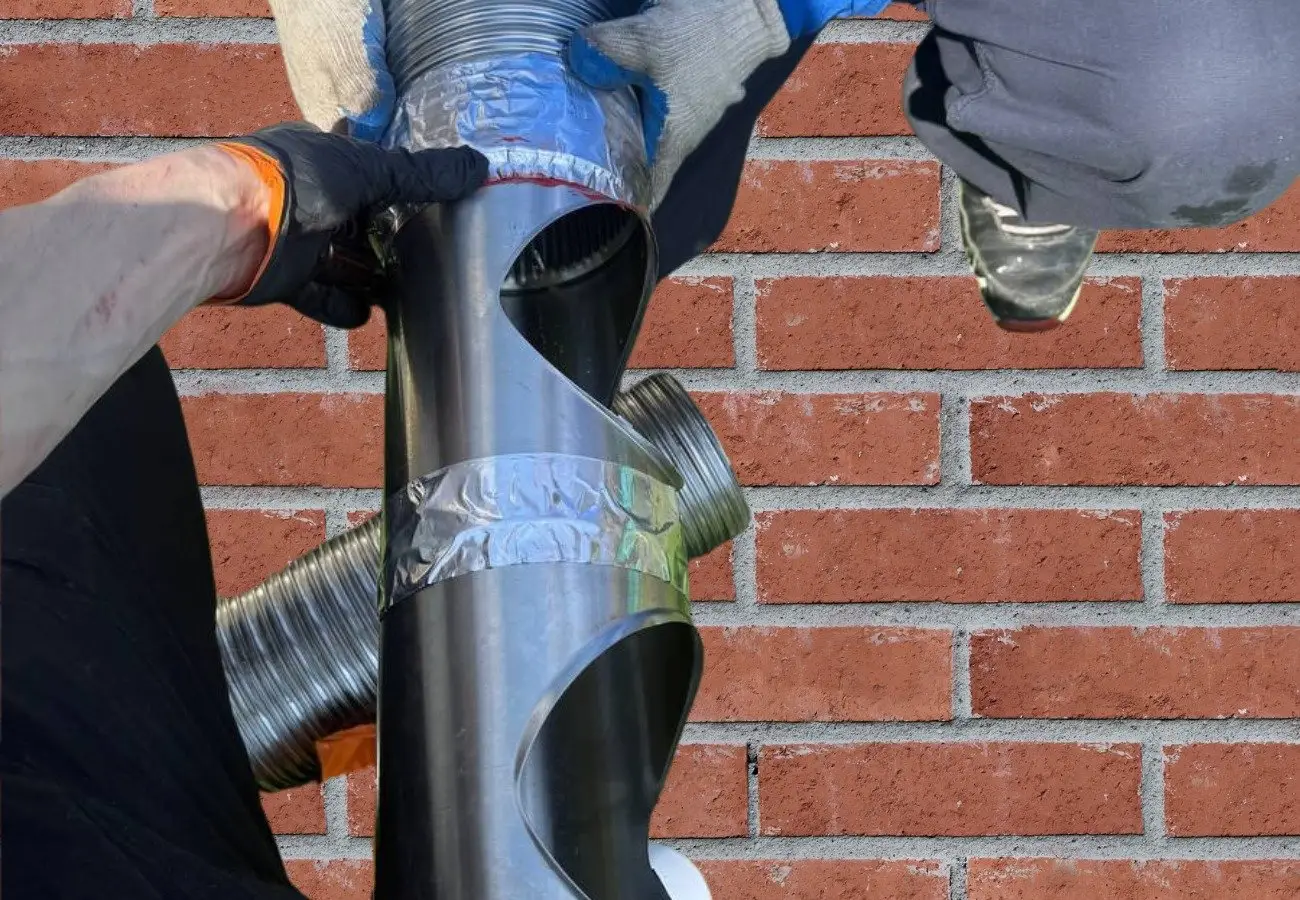
Stainless steel is lowered or pulled through the flue and connected to the appliance. Cast-in-place is formed inside the flue. Clay tile is set in place as part of the liner system.
Seal and finish the top
We fit the top plate and chimney cap and connect the appliance.
Check the result
We confirm the liner is secure and checked for safe, reliable venting before the heating season.
Our work
Our Work
Job photos
[PROOF: ADD JOB PHOTOS, before and after]
Customer review
“Excellent service, outstanding quality, and true professionalism. They provided great recommendations, paid close attention to every detail, and delivered exceptional results. I highly recommend them to anyone looking for reliable and high-quality service.”
Hendry G. ★★★★★ Google review
Furnace & boiler flues
[CONFIRM: furnace or boiler flue relining offered?]
Common Questions
How do I know if my chimney liner needs to be replaced?
A video inspection is the only reliable way. A damaged chimney liner may show up as cracked tile, missing sections, rust, black marks above the fireplace, or smoke entering the room, and a damaged liner inside the chimney flue can let carbon monoxide or other gases escape where they should not. Book an inspection and you will know the exact condition.
Do I need a new liner when I install a wood stove?
Often, yes. An older flue is usually built for open hearth use and is too large for a wood burning stove or insert. We match the liner to your appliance maker’s instructions, and wood burning fireplaces and inserts need a liner sized to the appliance for safe draft and operation.
Can a cracked liner be repaired, or does it need replacing?
It depends on the damage. A small, isolated problem can sometimes be handled in place, while widespread cracking or missing sections may call for complete replacement. The video inspection tells us which applies, and liner replacement is often the better long-term fix when the existing liner is missing, deteriorated, or wrong for the appliance.
Will a new liner stop creosote buildup?
No. Creosote comes from burning wood. Regular cleaning and annual inspections keep a liner working longer, and with routine maintenance a stainless steel liner can provide decades of reliable service.
What should I check before hiring someone to install a liner?
Liner work counts as home improvement in Connecticut, so homeowners should ask for:
- An active Home Improvement Contractor registration and proof of insurance
- An itemized quote; comparative quotes from multiple contractors can help homeowners find the best chimney service options
- Verified customer reviews
- CSIA certification for technicians from an expert chimney provider
- A written contract with the three-day notice of cancellation, plus signs of dependable service and clear communication
You will get all of this from us.
Get the right liner, priced in writing, before work starts.
Tell us your appliance and we will send an itemized quote, serving homeowners across our Connecticut service area with options that support heating efficiency. Typical installs run $1,800 to $3,900.
Summer humidity can make old chimney odors more noticeable, so it’s smart to schedule an inspection before the heating season.